For the second time in a year, I found myself on the squishy, freezing doctor’s office table. This time, the verdict hit harder: “four to six months, at least.”
Telling any competitive athlete with races on the calendar that they’re benched is the same as telling a kid their pet has died.
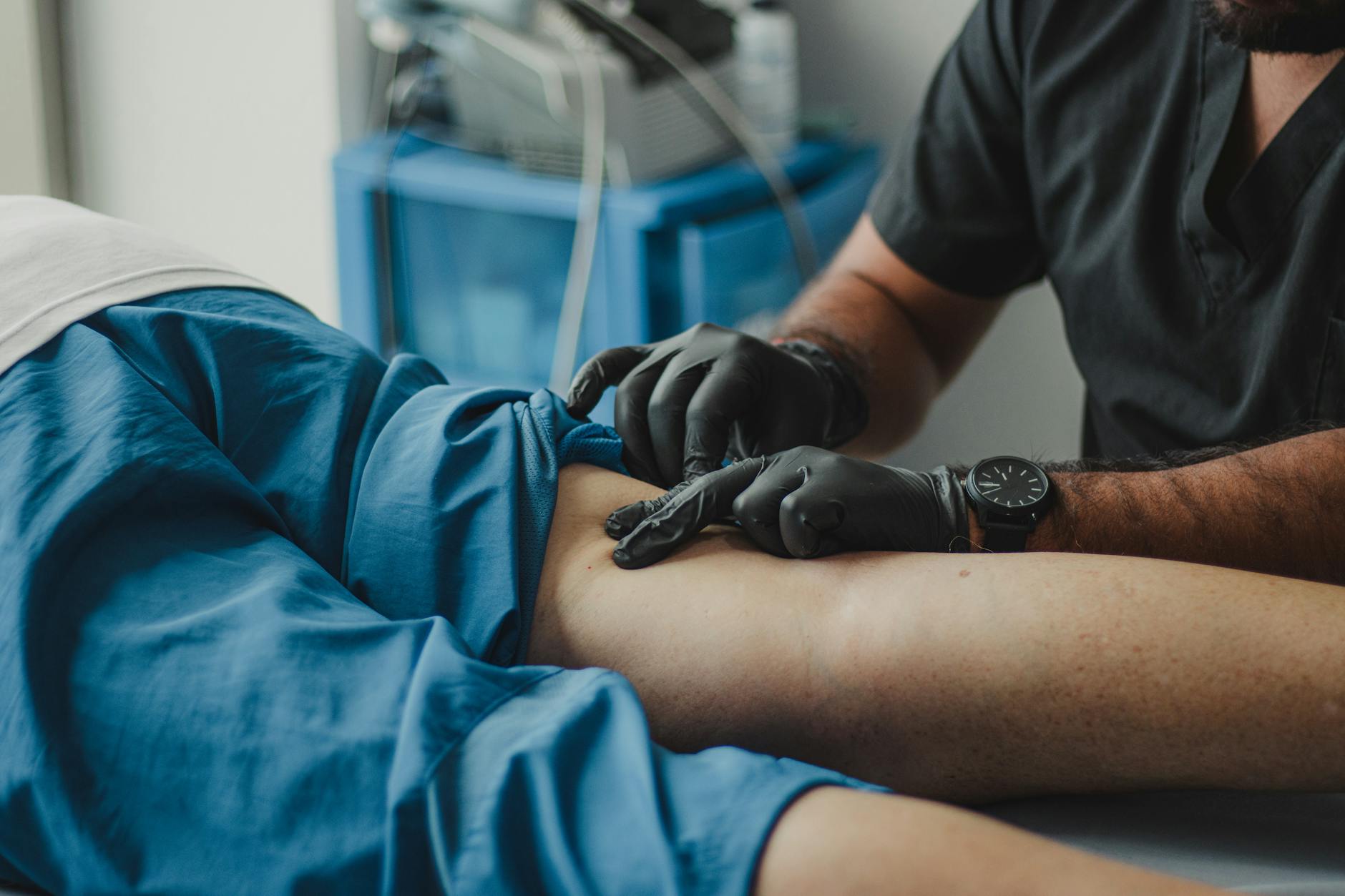
The Athlete’s Stages of Grief
First, there’s denial. “I’ll kick this in six weeks and be ready to race in October.” But then it’s August, and it’s impossible to do ten minutes pain-free on a rowing machine.
The anger: “I should be able to do this! It isn’t fair!”
Bargaining: “If I buy these $300 shorts, they’ll fix all my issues.”
Depression: Mirror-glass days and fiery sunrises, and I’m on a dock. My friends are racing and posting their medal smiles.
Acceptance: “Okay, I can’t row. What’s next?”
The hardest part is “what’s next.” You want to train, stay healthy, and get back on track to achieve those goals. But what happens when you can’t do what you’re accustomed to doing?
“Injury doesn’t mean you’re done. It just means you need to train smarter. “
1: Figure Out What You Can Do
My injury threw up “no” after “no.” No rowing, my main sport. But also, no biking, running, or stair-stepping allowed. No leg press, squats, or deadlifts.
Once I stopped resisting and accepted what I couldn’t do, the question became: what could I do?
The initial motto became, “Abs of steel, shoulders like boulders.” If I can’t do lower body work, I CAN still do core and upper body.
If I can’t run, I can still walk and swim.
Granted, figuring out the “can” isn’t always ideal. Take swimming. Waking up early to jump into a lukewarm pool was not my idea of fun. It’s awkward for an untrained swimmer on a tether. There’s no sense of what a slow, moderate, or fast pace is. I tilt my head to swallow water, not air. Water clogs my ears. The view is just the bottom of my pebbled pool. Thirty seconds felt like three minutes.
Still, doing something is better than nothing. Cross-training and trying new sports has multiple benefits. I learned I’ll never be the next Katie Ledecky, but I improved and kept some fitness.
Injury doesn’t mean you’re done. It just means you need to train smarter. Adaptability is a skill that sustains long-term athletic health.
Staying active is one piece of the puzzle. Another? How I fueled that recovery.
2: Remember Nutrition
After butting heads with my stubborn kid, I found myself browsing the pantry, raiding a bag of marshmallows.
We all have our guilty pleasures and moments of weakness. I have realized I’m a stress eater. Being stuck on the sidelines brings on those low feelings that maybe a bite of a chocolate chip cookie could fix….
When you’re training, you have reasons to watch your nutrient intake. When you’re not training, that extra serving catches up fast.
An injured body needs just as much nutritional care as a training one, if not more so. I didn’t realize how much my body was inflamed and holding water until I strictly followed an anti-inflammatory protocol.
I once heard, “Discipline is an act of self-love.” I repeat that every time I find myself choosing between a salad and a slice of pizza, or ordering dessert with dinner. It’s okay to treat yourself, but focus on feeding your body what it needs to heal faster. It’s part of gifting yourself what you need.

3: Invest in Yourself
I trained 2-3 hours a day before the injury. That’s suddenly twelve to eighteen hours a week, freed up to do something…
Injuries have a way of forcing balance. When training hours disappear, you rediscover who you are outside the sport — and that’s a kind of strength, too.
I learned how to sail a Sunfish. Instead of traveling to weekend races, our family camped and explored local festivals. When biking became approved, we added on days on the trail. My spouse gained more time for his kayaking hobby. We got to enjoy the beautiful fall months at home, building memories rather than hitting the road.
What would you do with all the extra free time? Embrace it as a chance to try that something you’ve always wanted to do. Or, use the time to build a new skill that you can fall back on later.
When training hours disappear, you rediscover who you are outside the sport.
4: Focus on the Foundation
Eventually, all injuries shift from the acute phase to the rehabilitation phase. But when you’ve got a long horizon to full recovery and physical therapy in the mix, you can’t jump right back in at 100%. Rebuilding slowly is the essence of sustainable progress.
Prioritize general conditioning. Think of it as a way of addressing weaknesses while setting up a structure that will support your great comeback.
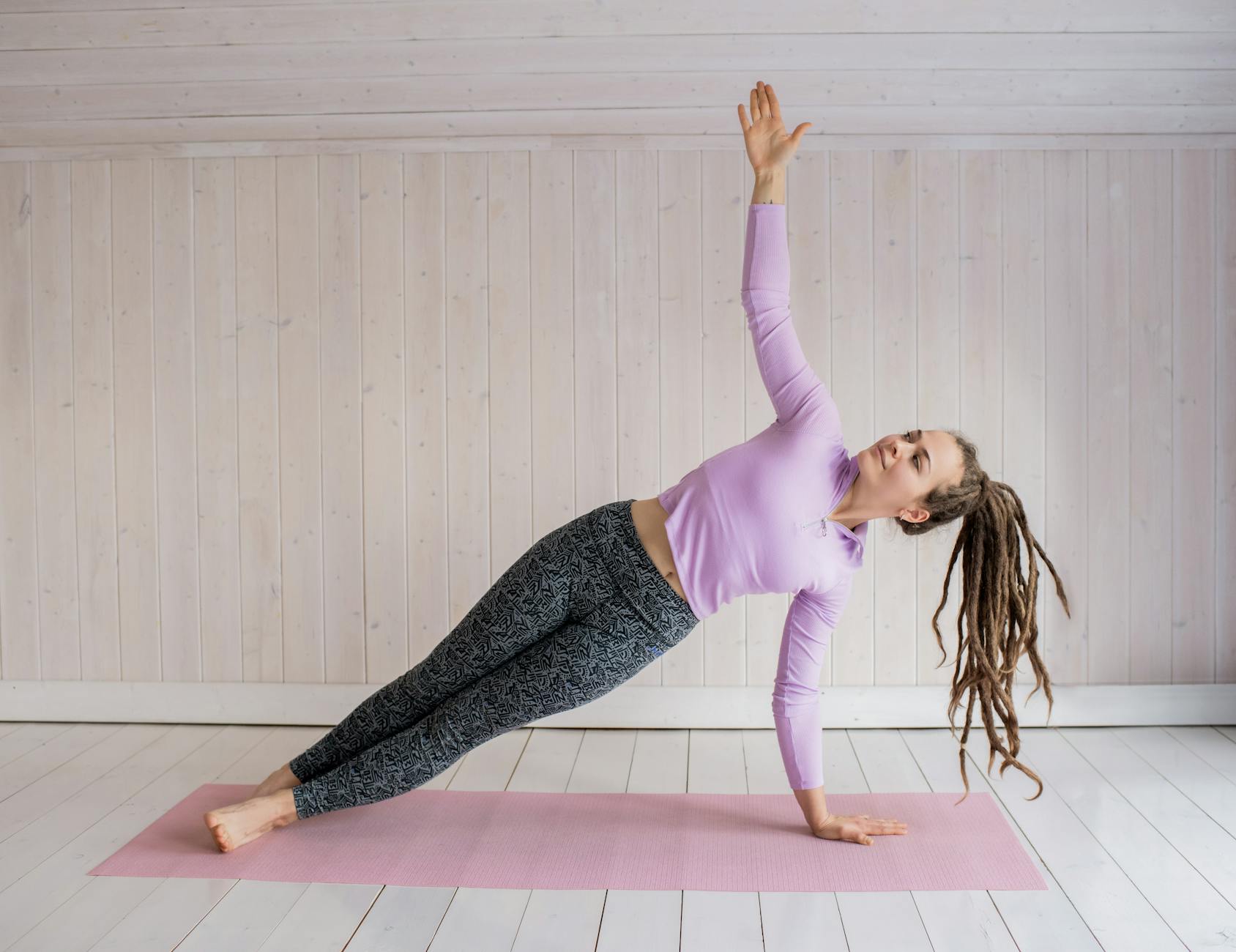
Once I accepted this year as a loss, I realized I needed something that would keep me engaged, moving, and at a baseline level. I picked up a Pilates-based strength plan. It hits everything. It naturally incorporated movements from the physical therapy sessions, as well as new ones not typically part of my training regimen. I also added more yoga and mobility work.
The mental and physical challenge invigorated my days. I noticed my whole body looked and felt as strong as when I trained intensely. My spouse commented on how he couldn’t keep up with my powerful kicks when we snorkeled on a cruise.
This base will give me a way to grow back to my 100% when my body is ready. I remember the first time I pulled a minute at full power. It was invigorating to see I hadn’t lost much.
5: Make Mental Shifts
Pain is temporary, as they say. So are most injuries. True strength comes from positive reframing.
Maybe you can’t run anymore. But you could still get outside into nature by walking and hiking. Or, take what you know and empower others with coaching. I jumped into a coxswain’s seat a few times and found it caused me to think about the sport in a different way.
Rowing is a technical sport. Most workouts, I approached as a chance to build endurance or power. Now it’s reframed as a chance to slow down and refine the mechanics of how I move the boat.
Remember, doing something is better than doing nothing. You can only lift five pounds now? That’s okay. You’re up, you’re moving, and you’re getting it done.
Planning Your Big Comeback
Race day teaches you a lot about yourself, but I’d argue it’s when you get injured that you truly learn about your resilience and inner strength. Injuries force us to train smarter, listen harder, and build habits that last. We know returning to our peak is a longer journey than resuming after a vacation or planned break. Sustainable strength is about learning when to pause, rebuild, and return wiser than before.
 McMo Writes